
What communities do you belong to? Why is community important?
When Porgy, a kind-hearted man with a disability, meets Bess, a woman with a drug addiction who’s been abandoned by her abusive boyfriend, a pure and beautiful love blossoms. This iconic American opera about life in a fictional Charleston, South Carolina neighborhood, Catfish Row, highlights the importance of community, love, and hope for navigating life’s storms
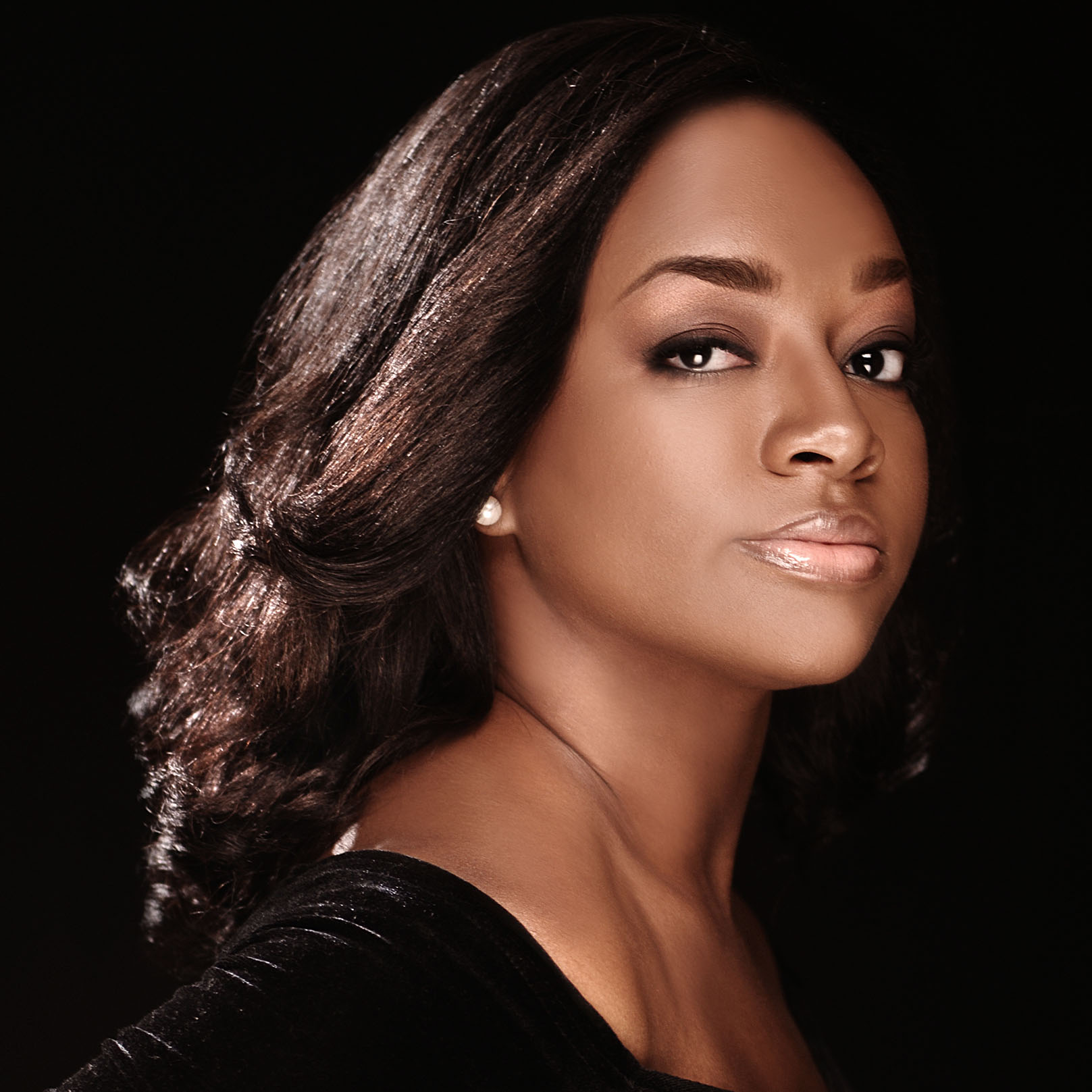
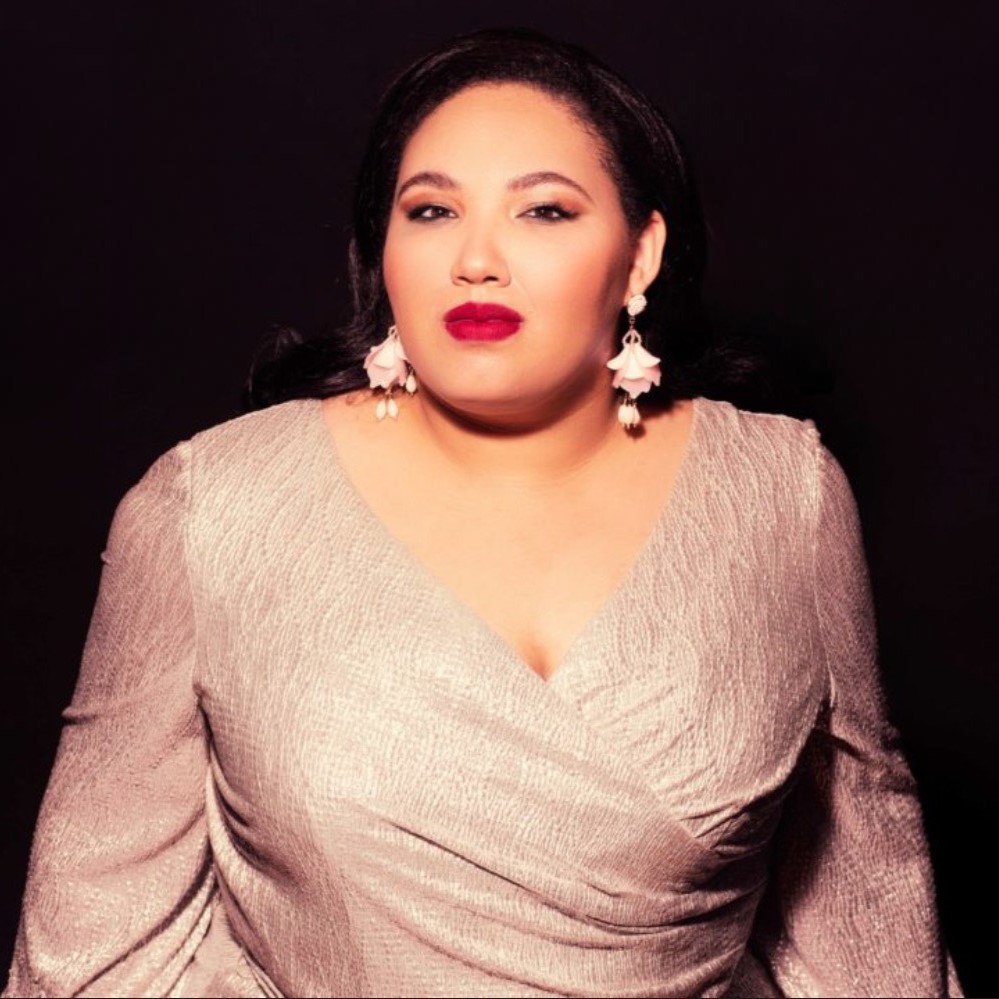
Meet the Cast and Characters
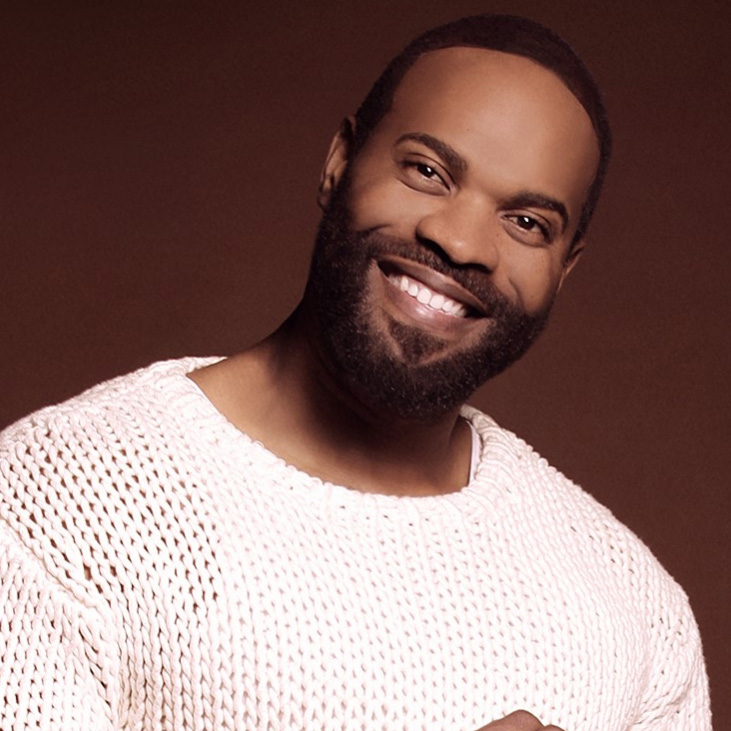
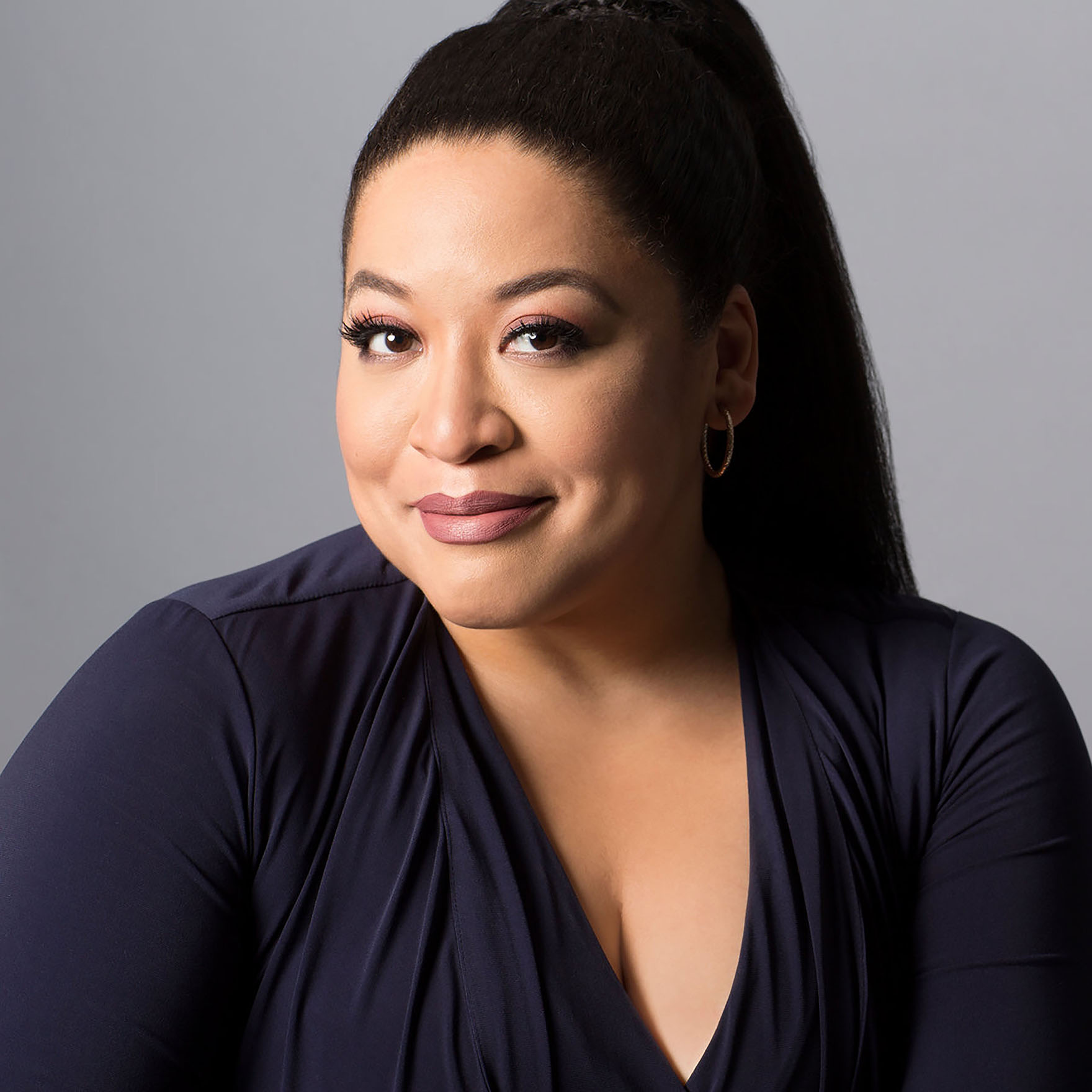
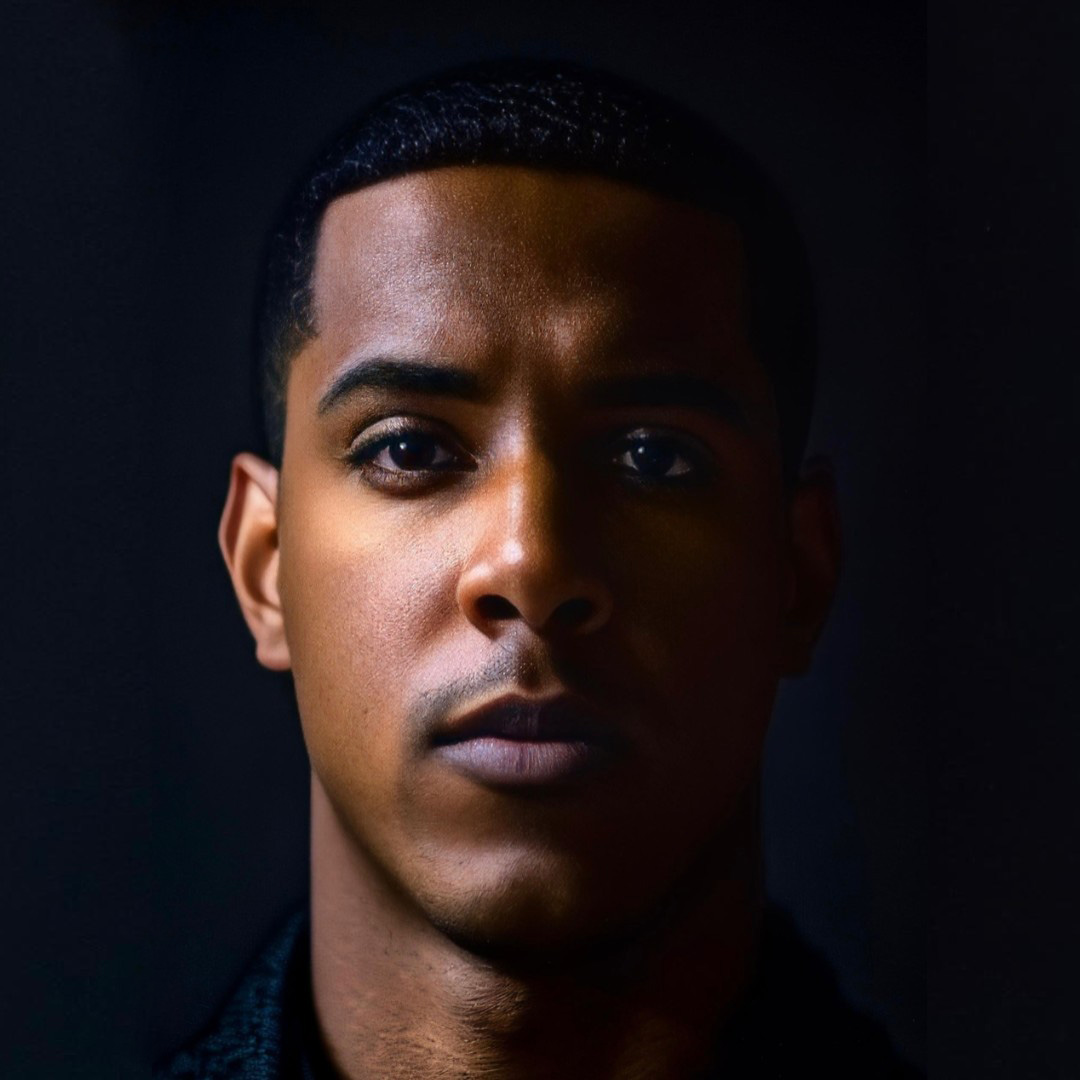
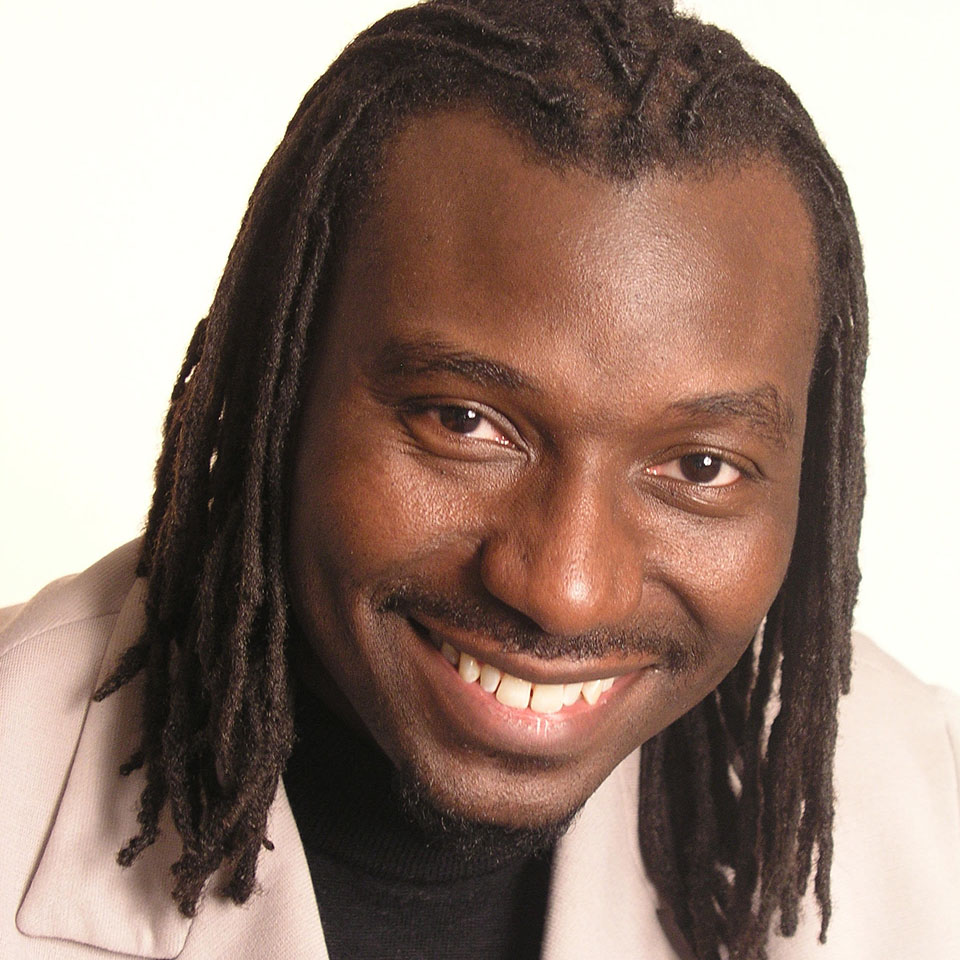

NORMAN GARRETT
JAKE
A fisherman
The real ones
The character Porgy was inspired by
a man named Samuel Smalls. Born in
1889, he used a goat-drawn cart to get
around, due to a physical disability—
earning him the nickname Goat Cart
Sam.
Catfish Row was inspired by Cabbage
Row, a Charleston tenement building
inhabited by freed Black Americans into
the early 1900s.
The Gullah
The community in Porgy and Bess is based on a Gullah community. The Gullah people live in the coastal and island lands of South Carolina and Georgia’s Lowcountry and are descendants of enslaved Africans from the rice-growing regions of West and Central Africa. They are known for preserving more of their African heritage than any other Black American community in the United States. This is in part due to limited interaction with their white slaveowners, who would leave the region seasonally for fear of contracting tropical diseases in the rainy period.
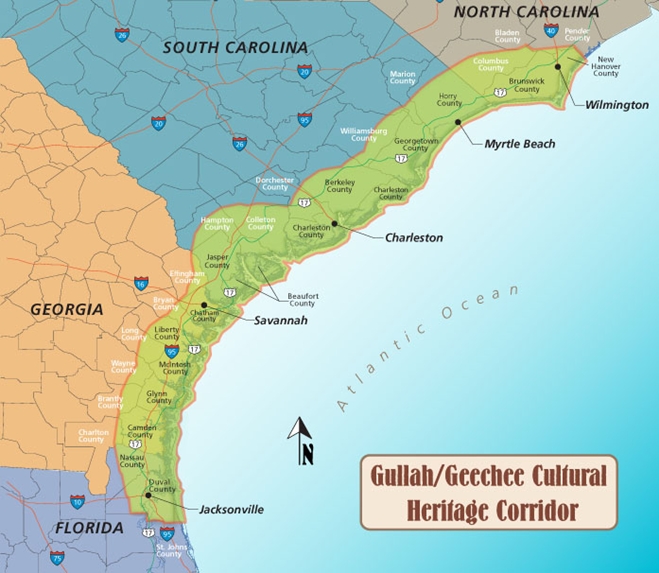
Gullah Geechee is an English-based Creole language spoken in Gullah communities which the librettists attempted to represent in the dialect of Porgy and Bess. Gullah culture has also been preserved through food, music, spirituality, and traditional crafts such as basket weaving.
About the composer (who wrote the music)
George Gershwin (1898–1937) was an American composer known for his fusion of jazz, pop, and classical genres. The son of Russian-Jewish immigrants living in New York, he got his start in Tin-Pan Alley as a song plugger. He wrote primarily for musicals, film, and orchestra—Porgy and Bess was his main successful opera venture. Other key works include Rhapsody in Blue, An American in Paris, and jazz standards such as “I Got Rhythm” and “Let’s Call the Whole Thing Off.”
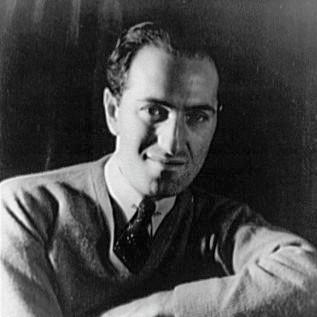
George Gershwin
About the Librettists (who wrote the words)
American author from Charleston, South Carolina, DuBose
Heyward (1885–1940) wrote his first novel Porgy in 1925, which became the inspiration for Porgy and Bess. In collaboration with Ira Gershwin (1896–1983), American lyricist and brother of George Gershwin, Heyward transformed the story into song.
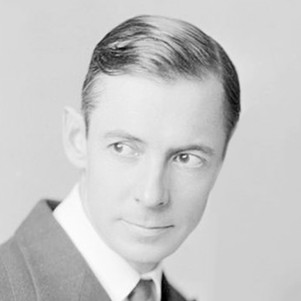
DuBose Heyward
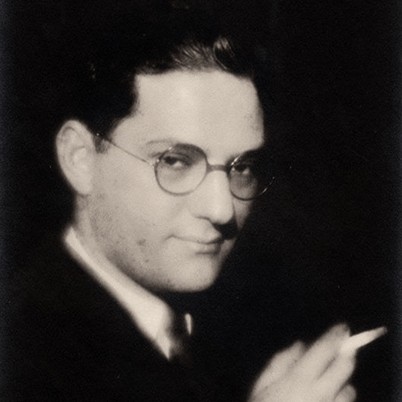
Ira Gershwin
Further Reading
- Black Opera: History, Power, Engagement, by Naomi André
- George Gershwin: His Life and Work, by Howard Pollack
- “On My Way”: The Untold Story of Rouben Mamoulian, George Gershwin, and “Porgy and Bess”, by Joseph Horowitz
- Porgy, by DuBose Heyward
- Porgy’s Ghost: The Life and Works of Dorothy Heyward and Her Contribution to an American Classic, by Harlan Greene
- Romancing the Gullah in the Age of “Porgy and Bess”, by Kendra Y. Hamilton
Engage Deeper with Porgy and Bess
Don’t miss these upcoming opportunities to further engage with the story!
Porgy and Bess In Context
February 17, 2026 | 6:00 pm
Porgy and Bess has raised questions about who creates art, how people are represented, and what impact it leaves behind. Join us for a discussion about these topics with panelists Michael Ellis Ingram, Dr. Howard Pollack, and Dr. Paul Laird. Learn more.
From Story to Song
Monday, February 23, 2026 | 6:00 pm
Join us as Dr. Paul Laird leads us through the journey of the creation of Porgy and Bess, its vibrant score, the opera’s performance history and reception, and its enduring legacy in American opera. Learn more.
Meet the Artists of Porgy and Bess
Monday, March 2, 2026 | 6:00 pm
Meet the talented artists of Porgy and Bess! Learn more about their careers, their unique experiences bringing this iconic opera to life, and the stories behind their performances. Learn more.
Join Lyric Opera for The Gershwins®’ Porgy and Bess, February 28, March 6, and March 8 at the Kauffman Center for the Performing Arts!