
George Gershwin was like a kid in a sandbox when he composed Porgy and Bess. It was his first full-scale opera, and it gave him the once-in-a-lifetime chance to experiment with musical devices that simply weren’t part of the Broadway songster’s standard toolkit. Every time I turn the page while conducting the show, I find some new, thrilling sound experiment that I had never noticed before. Here are two of my favorites…
In the opening scene of the opera, Gershwin gives each character a musical calling card (leitmotif), and as the opera progresses, he shuffles them in some very clever ways. He fuses the rattling music of the crapshooters, for example, with Crown’s brash syncopations to form an orchestral fugue when Crown starts a violent brawl in the middle of the game. The fugue is in fact an orchestral “brawl” in which different instruments pile on top of one another and threaten to pull the orchestra apart, each insisting that it is in the correct key.
Another fascinating sound experiment comes towards the end of the opera when Porgy returns to Catfish Row. Porgy’s musical calling card, which we first hear in Act I, is broad, rich, deep, soulful, slow enough to be tired but fast enough to be happy. And yet something is odd about the music this time around. Something is…off. Gershwin takes Porgy’s music and turns it on its head, as if he had literally flipped the sheet music upside down. The music is off because the scene itself is off. You see, all of us in the room—audience and singers alike—know that Bess is gone. Porgy is the only person who hasn’t realized it yet, and no one has the guts to tell him. Gershwin found the most perfectly uncomfortable way for the music to underscore the awkwardness of the situation. Brilliance in a sandbox.
I described Porgy as a once-in-a-lifetime chance for Gershwin. Unfortunately, I meant that literally. Gershwin died before he was able to return to the sandbox and shake up the opera world all over again. Who knows what brilliant sound experiments he might have come up with next?
It’s a full-circle moment for me to stand in an orchestra pit in my home state of Missouri for the very first time. And it is a dream come true to be conducting the Kansas City Symphony, which was the first symphony orchestra I ever heard live. The musicians of this orchestra inspired me to become a conductor in the first place, and for that I am eternally grateful.
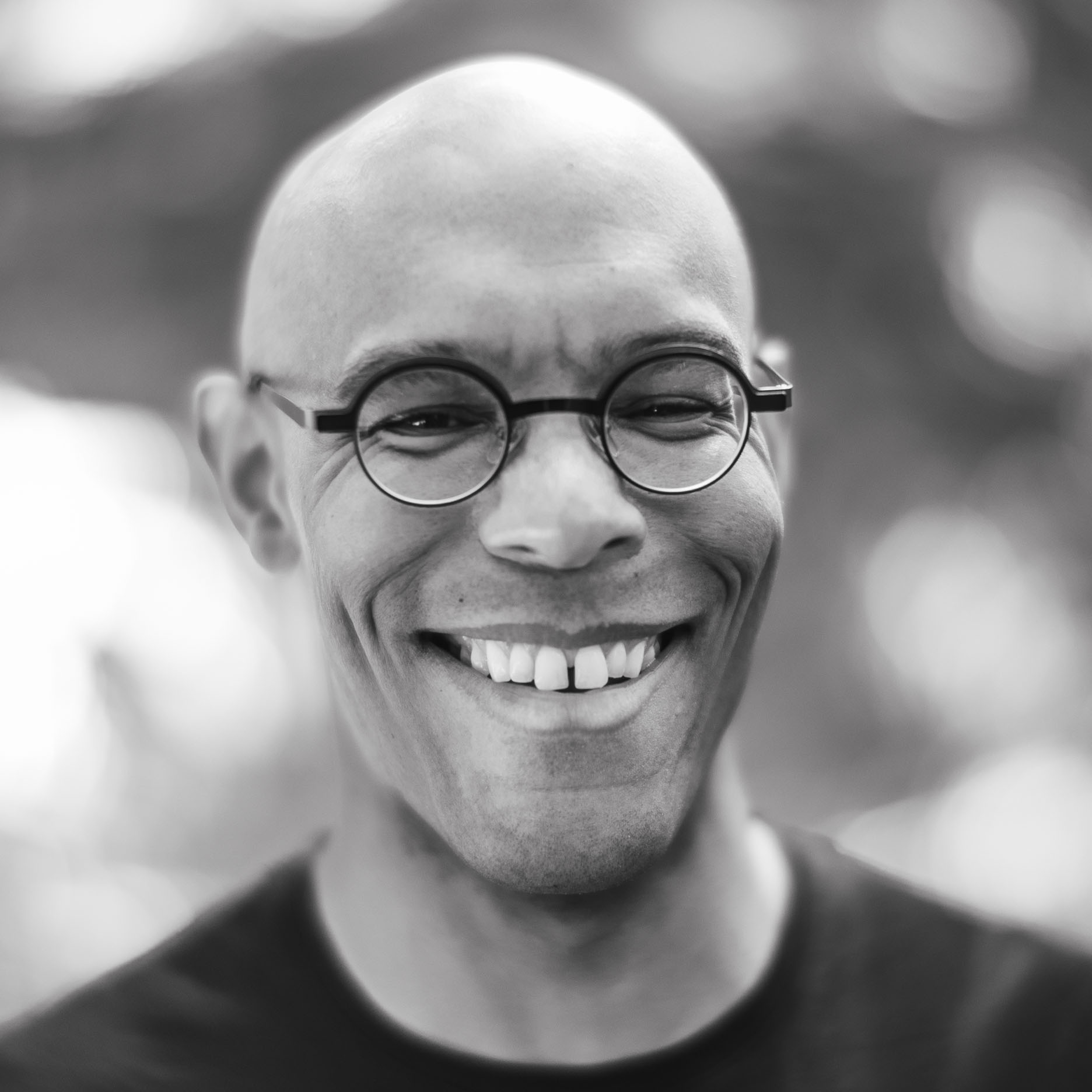
About Michael Ellis Ingram:
Michael Ellis Ingram (conductor of Porgy and Bess) is chief conductor of the Staatsoperette Dresden, a theater that presents opera, operetta, ballet, musical theater, and orchestral concerts. He has served as Kapellmeister of two of Germany’s oldest orchestras: the Loh-Orchester Sondershausen (est. 1600) and the Mecklenburgische Staatskapelle Schwerin (est. 1563). Read full bio.
Don’t miss The Gershwins®’ Porgy and Bess, conducted by Michael Ellis Ingram, February 28–March 8, 2026, at the Kauffman Center for the Performing Arts. Get tickets now.