
The first time I experienced La bohème was Franco Zeffirelli’s legendary production at the Metropolitan Opera. From that moment, I was completely captivated—not only by Puccini’s masterpiece, but by the art form of opera itself. I can still remember what I was wearing, the feel of the red velvet seats, the dark wood surrounding the auditorium, the sound of the orchestra tuning, and the anticipation as the chandeliers slowly rose.
With the rhapsodic celli and bass which open the first measures, I was transported to nineteenth-century Paris and into the intimate lives of four young artists filled with dreams, ambition, friendship, and love. Puccini has an extraordinary ability to make us feel immediately connected to his characters. Their hopes become our hopes; their joys and heartbreaks become deeply personal. Somehow, La bohème achieves something few works of art can: it feels profoundly intimate while simultaneously unfolding on the grandest of theatrical scales.
Part of that magic lies in Puccini’s sense of dramatic pacing. Whether born from mastery of craft or instinct, every scene unfolds exactly as it should. Each musical idea serves the drama, carrying the audience effortlessly from one moment to the next.
Throughout the score, Puccini masterfully balances soaring lyricism with dramatic truth. At times the orchestra becomes the emotional voice of the characters themselves; at others, it provides subtle commentary. His gift for orchestral color and texture allows every emotional shift to register with clarity.
Puccini also drew inspiration from his own experiences among the artistic communities of Milan. Like the young bohemians he portrays, he understood the excitement, uncertainty, and idealism of creative life. Yet La bohème is ultimately about something more universal. It celebrates ordinary people and the beauty found in everyday moments—the dreams we pursue, and the inevitable sorrows that remind us how precious those moments are.
As you listen, notice the breathtaking pianissimo string writing and magical harmonies that close Act I as Rodolfo and Mimì fall in love. Listen for the brilliant trumpet fanfare that launches the bustling Christmas Eve celebration of Act II, where large-scale spectacle gives way effortlessly to intimate encounters, comic characters, and the delightful children’s chorus. In Act III, Puccini’s music captures the emotional turning point of the drama as youthful optimism begins to give way to impending tragedy. By Act IV, familiar musical themes return transformed, culminating in one of opera’s most moving conclusions.
And, of course, there are the melodies. Puccini ranks among the greatest composers of melody. Once you’ve heard “Che gelida manina” or “Sì, mi chiamano Mimì,” their lines linger long after the final curtain falls. In my case, they have stayed with me ever since that unforgettable first performance at the Metropolitan Opera.
And, of course, there are the melodies. Puccini ranks among the greatest composers of melody. Once you’ve heard “Che gelida manina” or “Sì, mi chiamano Mimì,” their lines linger long after the final curtain falls. In my case, they have stayed with me ever since that unforgettable first performance at the Metropolitan Opera.
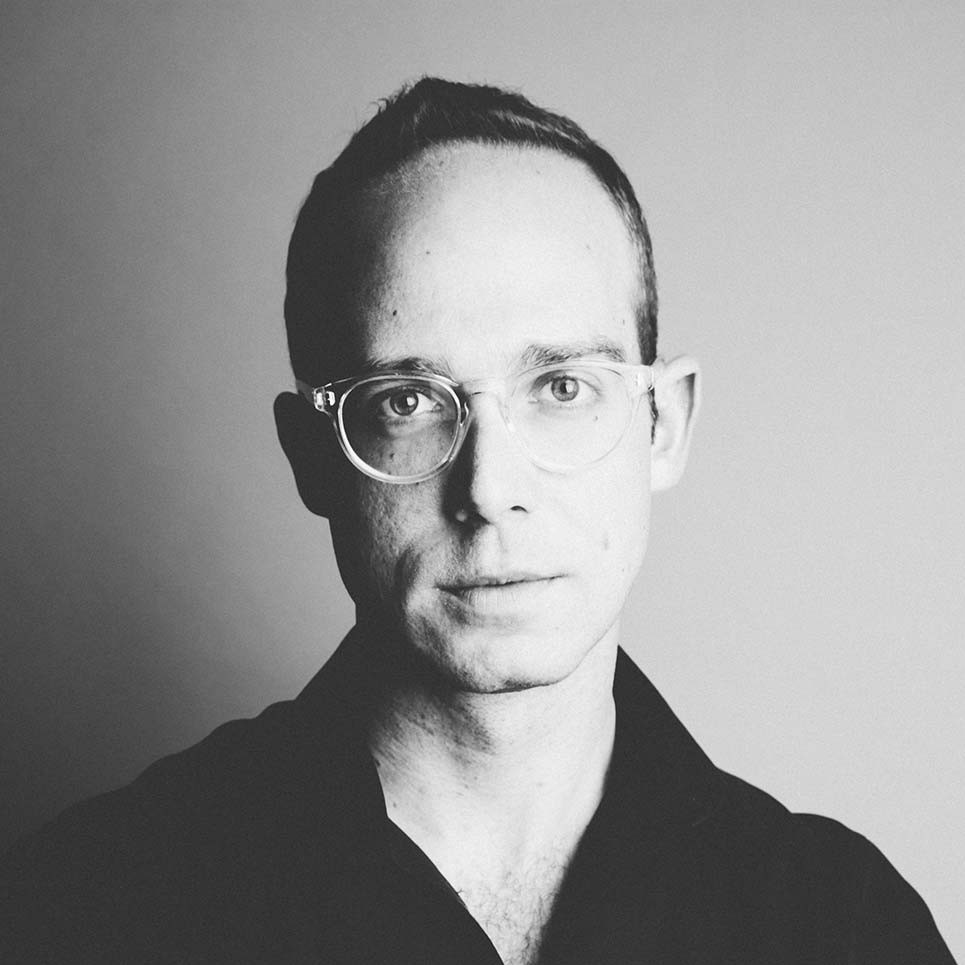
About Christopher Allen:
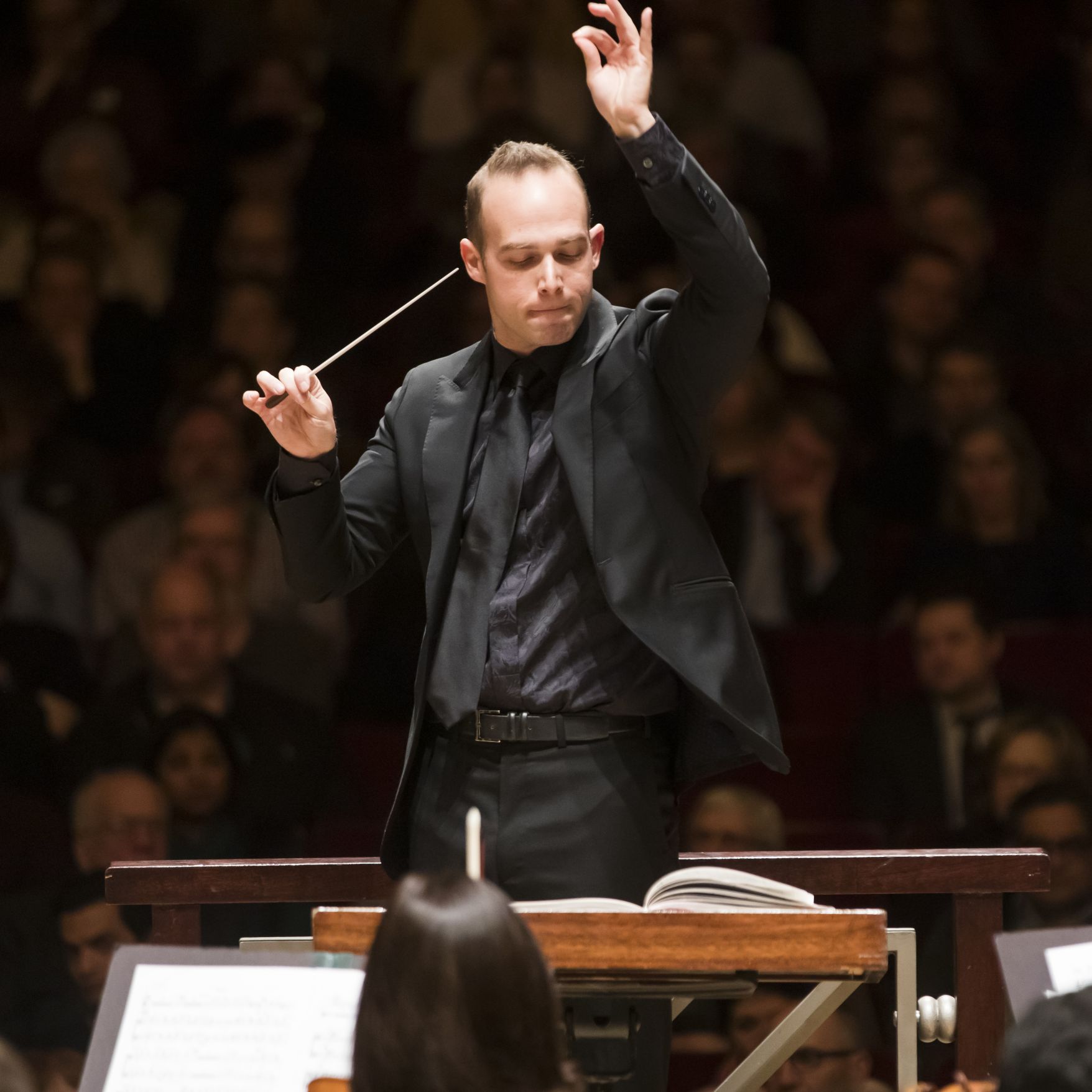
Christopher Allen (conductor of La bohème) has led acclaimed operatic and symphonic performances with the Atlanta Symphony Orchestra, Cincinnati Symphony Orchestra, Utah Symphony, National Symphony Orchestra, Kansas City Symphony, Oregon Symphony, Virginia Symphony, North Carolina Symphony, Orquestra Sinfônica do Estado de São Paulo, and more. Read full bio.
Don’t miss La bohème, conducted by Christopher Allen, September 19, 25 & 27, 2026, at the Kauffman Center for the Performing Arts. Get tickets now.
Featured image by Don Ipock for Lyric Opera of Kansas City.