
Part of the magic of La bohème is its brevity. The solos are all borne of conversations, and the interruptions and ardent arguments create vibrant drama with every bar of music. Luckily, returning to this score after staging several of his later pieces, I keep finding the seeds of Puccini’s unique style in the lively allegros and the contrasting andantes when the lighter moments turn deeper, often darker. But more, it’s clear how shrewd an editor he was: tightening the tension, accentuating the contrasts, and like his thrifty bohemians themselves, making the most out of every opportunity.
Puccini was riding a wave of success after the premiere of Manon Lescaut in 1893. His breakout opera was recognized for its dynamic characters and swift action and a heroine “he could believe in” with desperate passion, fitting the verismo (“truthful”) style of opera in the late nineteenth century. For his next opera, he leapt at the chance to bring Henri Murger’s characters to life. Murger had written a collection of stories about the misadventures of ardent young bohemians in Paris’s Latin Quarter, making the most of what little they had, driven by passion and idealism and love. Brimming with confidence, Puccini worked up a dramatic framework with his team: librettist Luigi Illica and the poet Giuseppe Giacosa. Spurred by a public competition with another composer on the same subject (his former classmate Ruggero Leoncavallo acting as both composer and librettist), both composers plucked characters from Murger’s stories to fashion their texts. As history shows, Puccini’s collaboration proved the stronger opera.
The orchestra scales down to staccato and pianissimo at the very moment Rodolfo and Mimì touch hands in Act I. Mimì asks for a few things back when she breaks up with him in Act III, immediately followed by “Dunque proprio finita?” (“So it’s finished?”) from the dejected Rodolfo. Musetta insults Marcello as “house painter” and Schaunard mocks Rodolfo’s long-winded writing. This gentle ribbing between Mimi, Musetta, and our bohemians is the antecedent to Tosca’s wit [from Puccini’s Tosca] and Cio-Cio San’s coyness and self-deprecation about her age [from Puccini’s Madame Butterfly].
The Puccini operas are products of careful edits his team made in the ensuing three years leading up to the 1896 premiere. Mimì is combined from two characters in the novel, and as when any novel becomes a libretto, ideas are distilled to their essence, in this case her angelic qualities. There was even a scene where Musetta is evicted from her lodgings which the team dropped along the way.
Thanks to all the correspondence between the creators (and the publisher) we can unpack the process which made the Puccini operas unique and new, pieces for an age now shaped by electric light, telegraph, railroads, and Marconi’s experiments with radio. The world moved faster than previous generations, and Puccini and his team embraced the tempo of the new age while leaving space for singers to fill out their characters—and their responses —with today’s timing. Every production looks at the honesty and integrity of these friends (and foes), their mutual trust and empathetic support, with enough gags, insults, and laughter to round out the picture.
Later in life, once Puccini had moved to his country house in Torre del Lago, he set up his study with a swivel chair. On one wall, an upright piano, to his left, his desk, and opposite the piano, his card table where friends came to drink, smoke, laugh, play cards, and bring the composer news from their travels. Snippets of conversation would inspire Puccini and he’d jot down notes, try out melodies, and capture the spark of the moment. But as La bohème shows us, he and his collaborators created this strategy to set the “slice of life” down on paper as they heard it, letting the rhythm of speech and adrenalin of argument set the tempo. But the genius lies in the edits and a shared storytelling which keeps us engaged 130 years later.
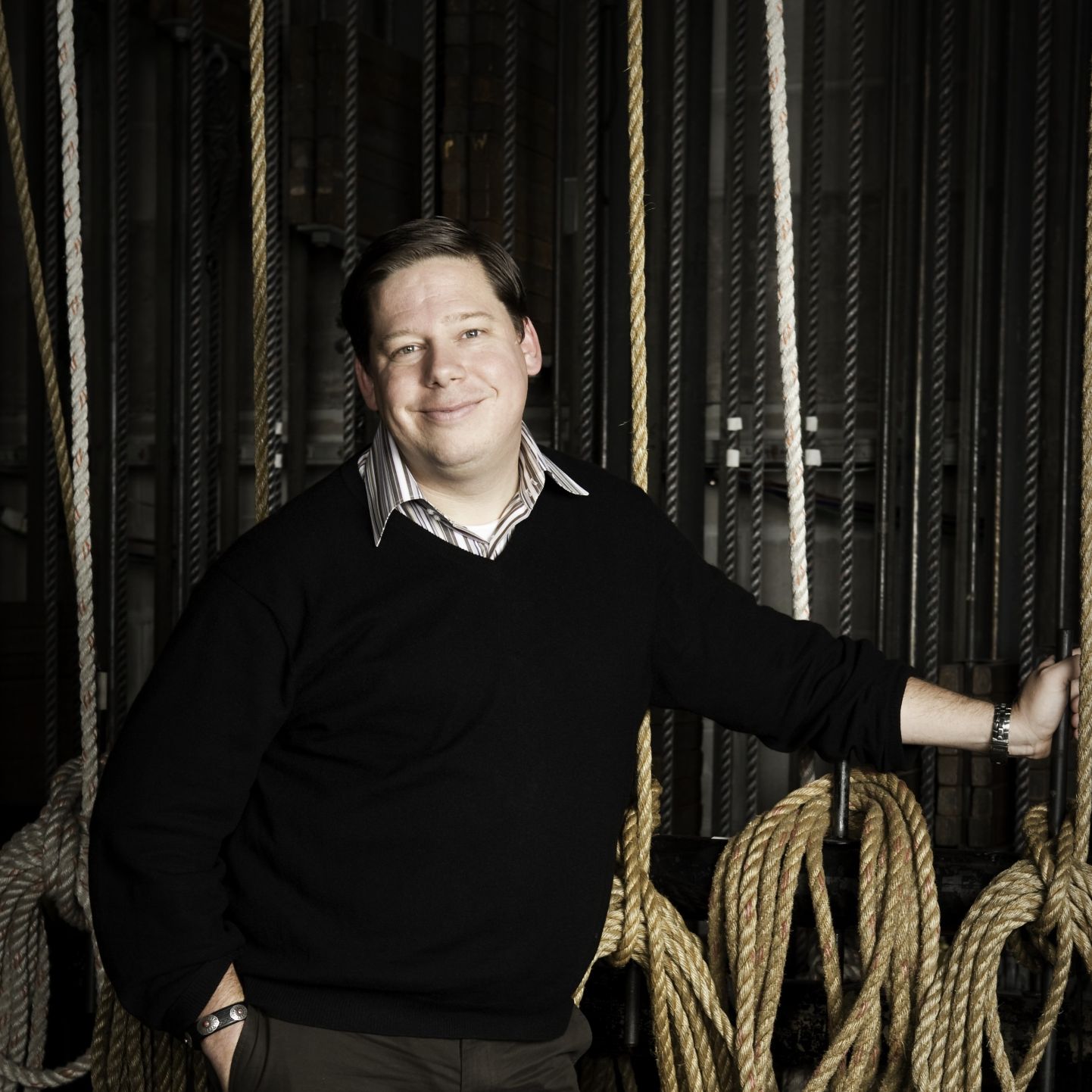
About Garnett Bruce:
Garnett Bruce’s body of work includes directing at the Lyric Opera of Chicago, San Francisco Opera, Houston Grand Opera, Washington National Opera, The Dallas Opera, and his European opera debut staging Turandot for the Teatro di San Carlo in Naples, among many others. Read full bio.
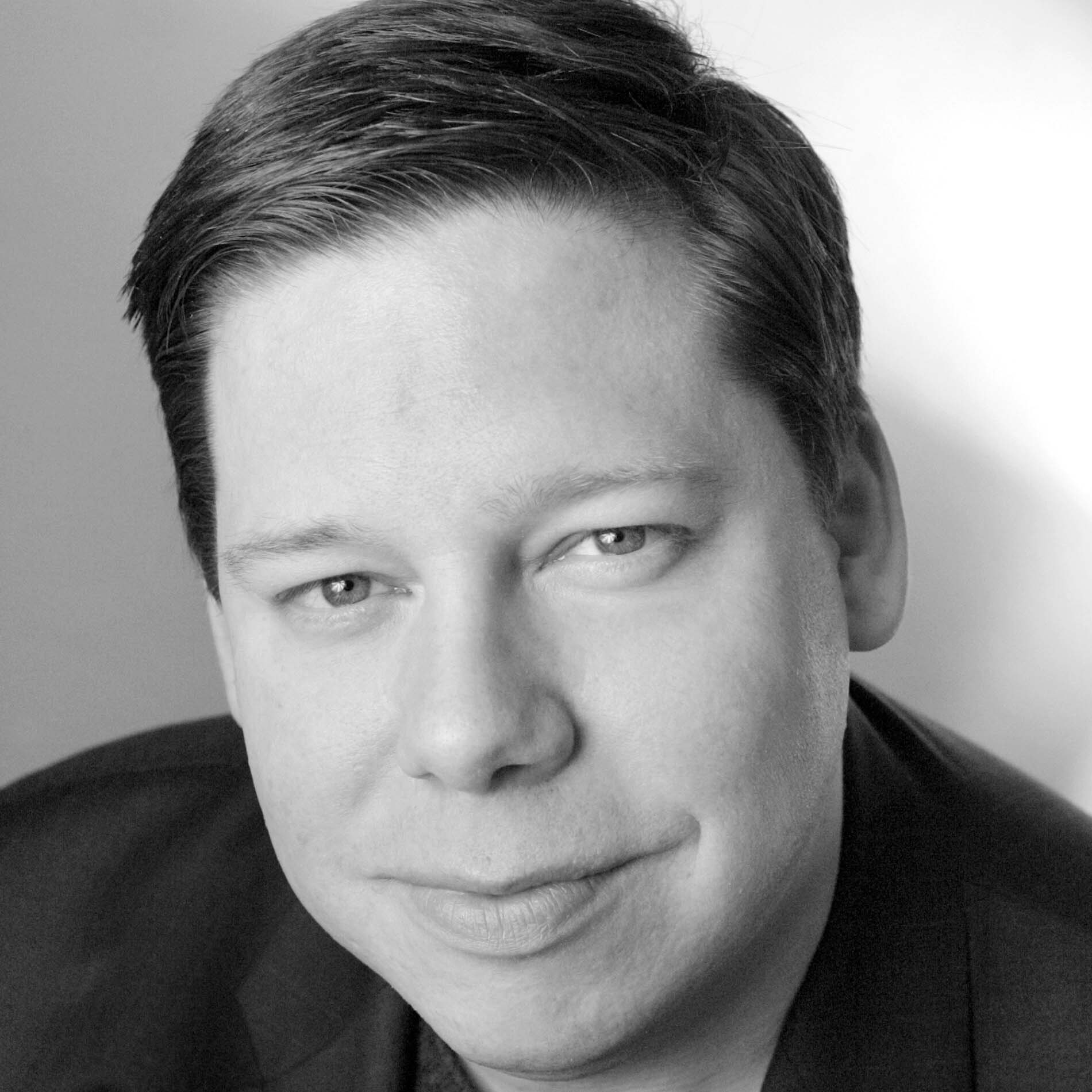
Don’t miss La bohème, directed by Garnett Bruce, September 19, 25 & 27, 2026, at the Kauffman Center for the Performing Arts. Get tickets now.
Featured image by Don Ipock for Lyric Opera of Kansas City.