
I am often asked the question: “What is your favorite opera to conduct?” Just as I would have difficulty in naming my drink of choice—I am from Scotland so would likely pick a smoky Islay single malt whisky—the question is almost impossible to answer. However, if you really pressed me, I would choose something by Mozart and, most likely, Figaro. This incredible masterpiece is still one of the most frequently performed operas in the world, some 240 years after it was first heard in Vienna, and it inspires me every time I conduct it.
It has everything: biting satire and astute social commentary (the original play by Beaumarchais was banned in Vienna for being too revolutionary) as well as an extraordinarily broad emotional palette. The action takes place across a single day, described in Da Ponte’s libretto as “une folle journée” (“a crazy day”), and Mozart eloquently communicates to us all of that day’s joy, sadness, laughter, and anger as he introduces us to each character in turn, with music which switches from soaring melodies to pounding rhythms within seconds.
There’s Count Almaviva and his servant Figaro: two big, clashing personalities whose solo arias often showcase their anger and frustration at being unable to control the chaotic events unfolding around them. Then there’s the Countess, whose two arias express feelings of deep melancholy and loneliness. Flirtatious and mischievous, the young page Cherubino provides comic relief and youthful energy, while the clever servant Susanna brings sharp humor and wisdom. When they all finally sing together, joined by an array of colorful supporting characters including a grumpy gardener and a pedantic lawyer, the energy transmitted from the stage is truly life-enhancing.
This moment arrives in the finale of Act II, which is perhaps my favorite part of the opera. At twenty minutes, it is one of the longest uninterrupted spans of orchestral music that Mozart wrote, and he builds the tension like a master, gradually moving up the gears as more and more characters join the stage. By the final pages (just before intermission) the music moves at a dizzying pace, with terrifyingly difficult passagework for the singers and the orchestra going at full tilt.
Mozart uses a relatively small orchestra but conjures the most vibrant colors from it – think of the daring originality of the quietly scurrying strings at the start of the Overture or the infectious dance rhythms that infuse the score, from Figaro’s first aria (“Se vuol ballare”) to the Act III fandango. The melodies will touch your heart, from the Countess’s ravishing arias to the Count’s final heartfelt plea to his long-suffering wife, surely one of the most exquisitely beautiful moments in all opera.
I couldn’t be more excited to share Mozart’s genius with you as I make my debut with Lyric Opera and the Kansas City Symphony with this wonderful piece, and I wish you all a wonderful evening.
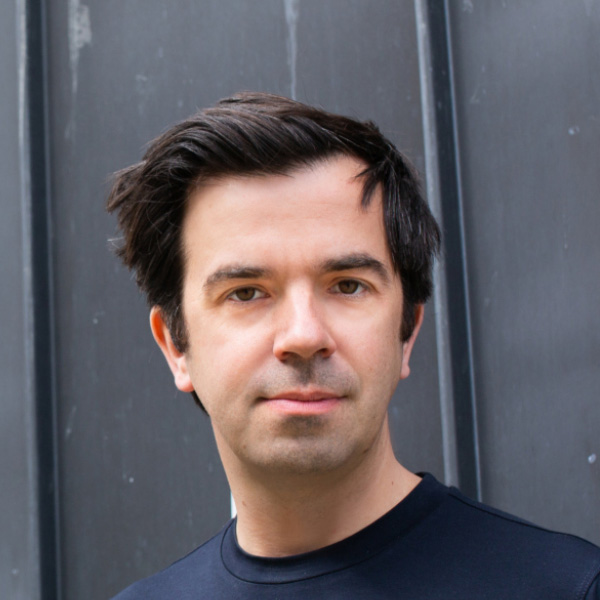
About Rory Macdonald:
A dynamic presence in both the opera house and concert hall, Rory Macdonald’s conducting combines intellectual rigour with passionate engagement. With a notably wide repertoire from Dowland to MacMillan, his collegiate approach has led to many successful collaborations with leading artists and production teams. Read full bio.
Don’t miss The Marriage of Figaro, conducted by Rory Macdonald, November 7, 13, and 15, 2026, at the Kauffman Center for the Performing Arts. Get tickets now.
Featured image by Andrew Schwartz for Lyric Opera of Kansas City.
