
2026 marks the United States’ 250th birthday. Lyric Opera of Kansas City is celebrating this occasion with the production of two iconic American operas: The Gershwins®’ Porgy and Bess and Of Mice and Men. Langston Hughes: A Lyrical Life continues this celebration by honoring the prolific, Missouri-born writer and leader of the Harlem Renaissance.
Meet the Creative Team


PIOTR WIŚNIEWSKI
MUSIC DIRECTOR



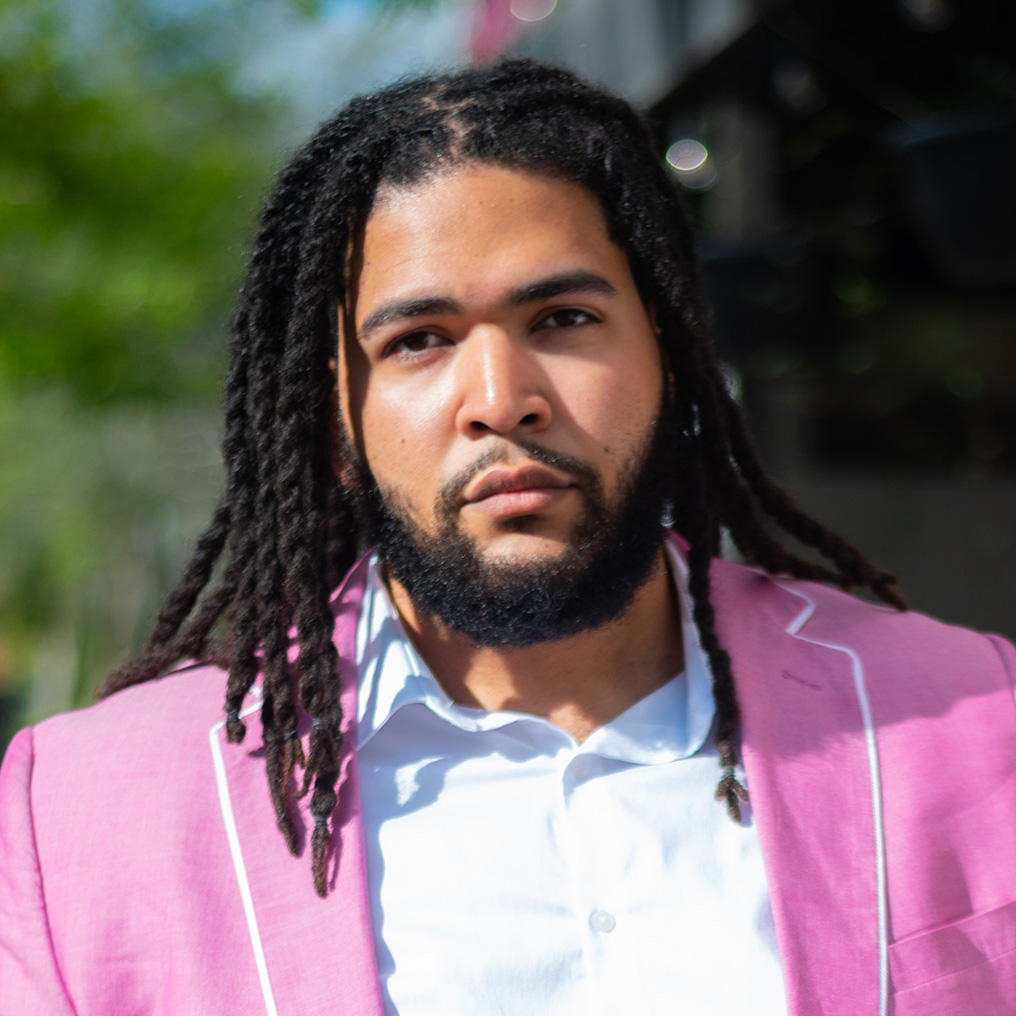

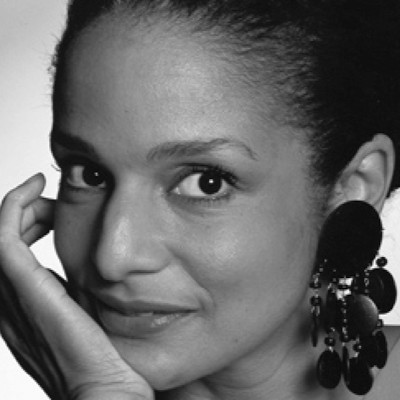
NEDRA DIXON
NARRATOR
One-way Ticket
After the Civil War, approximately six million Black people fled the Deep South—which was experiencing an influx of racial violence and discrimination—for better prospects in Northern cities, such as Chicago, Detroit, and New York City. This mass movement occurred from 1910–1970 and is referred to as the Great Migration. Langston Hughes writes about the Great Migration in his poem “One-Way Ticket.”
I, Too
Harlem is a neighborhood in New York City that was the center of the Black arts and cultural movement known as the Harlem Renaissance. Post World War I, Black performers, artists, and writers in Harlem, among them Langston Hughes, created art that redefined and reclaimed Black experiences in the United States. Hughes’s poem, “I, Too,” illustrates this vision, the final line reading, “I, too, am America.”
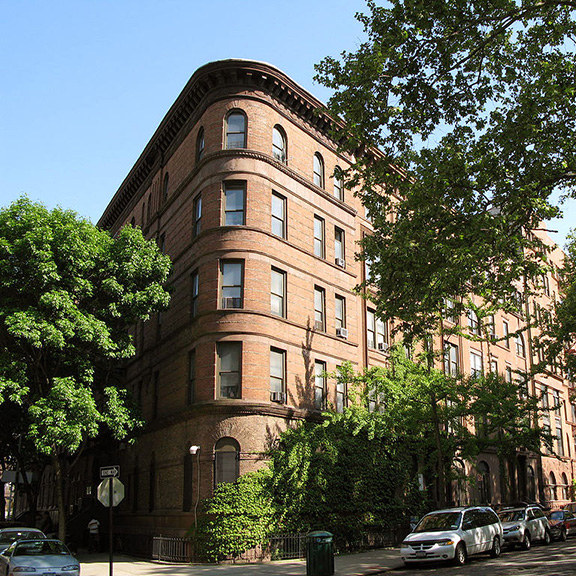
A Building in Harlem, New York City
At the time, this movement was called the New Negro Movement, a term popularized by American writer, philosopher, and educator Alain LeRoy Locke. Closely intertwined with the civic action of the National Association for the Advancement of Colored People (NAACP), this cultural blossoming was not confined to Harlem but occurred in cities across the country as Black communities expanded following the Great Migration.
About Langston Hughes
Born in Joplin, Missouri, Langston Hughes (1901–1967) was raised in the Midwest before he moved to New York City, where he became a leading literary figure in the Harlem Renaissance. Known for his poems, such as “The Negro Speaks of Rivers” and “Let America Be America Again,” Hughes also wrote many books and plays. As a librettist, he contributed to the operas Street Scene (1947) and The Barrier (1950). A strong sense of Black identity and pride is core to Hughes’s works, which focused on the nuances of life for working-class Black Americans.
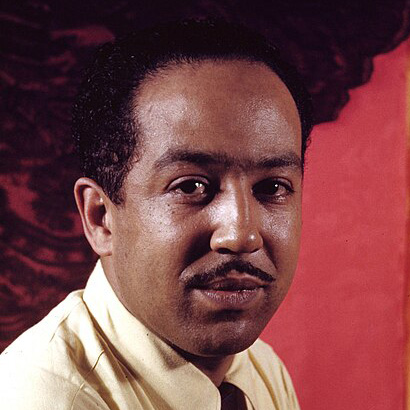
Langston Hughes
Further Reading
Join us for Langston Hughes: A Lyrical LIfe
This semi-staged musical program and literary experience honors Hughes’s extraordinary legacy and amplifies his singular voice and texts, illuminating the universal human experiences of joy, struggle, and aspiration. Join us during our free community tour, March 15–April 2, 2026!